Forest Fruits
Blackberry
Features
- ✓ Origin: Europe
- ✓ Plant Type: Woody shrub, 1–3 meters tall
- ✓ Fruit Colors: Black, red, or purple
- ✓ Taste: Sweet, aromatic, juicy
- ✓ Pollination: Self-fertile
- ✓ Climate: Temperate regions
- ✓ Soil: Humus-rich, well-drained
- ✓ pH: 5.5–6.5
- ✓ Harvest: Mid-summer to autumn
- ✓ Usage: Fresh consumption, jam, desserts, processing
Description
Blackberry Sapling is a perennial fruit plant of European origin, known for its high productivity and long harvest season. Its sweet, aromatic, and juicy fruits are highly valued for both fresh consumption and industrial use. All our saplings are certified, true-to-type, and disease-free.
The plant typically grows as a woody shrub reaching 1–3 meters in height. With proper maintenance, it produces high yields every year. Both thorny and thornless varieties are available. Thornless blackberry varieties are especially preferred in commercial production because they make harvesting and maintenance much easier.
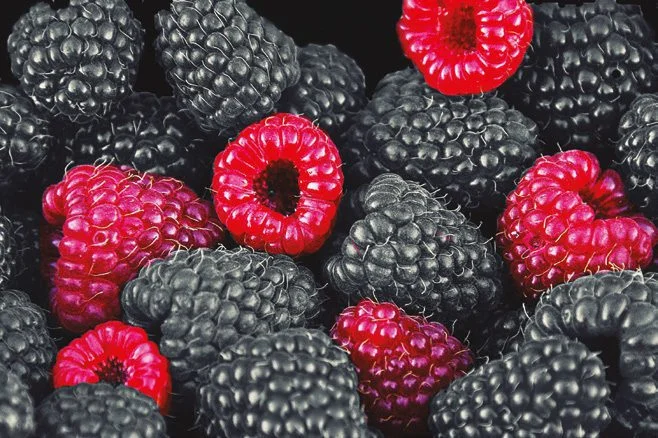
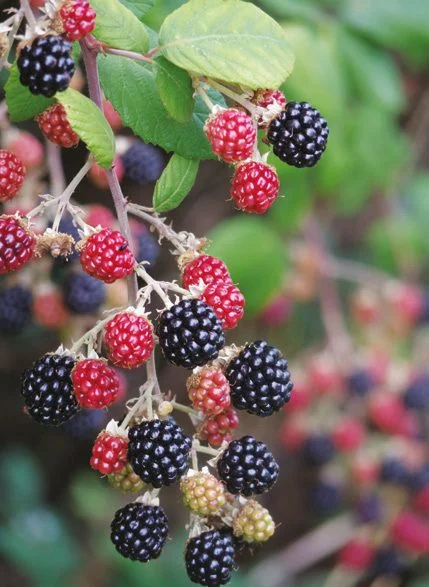
The fruits are usually black, although some varieties may produce red or purple berries. The berries are sweet, aromatic, soft, and very juicy. Besides fresh consumption, blackberries are widely used in jams, desserts, juices, ice cream, and food processing industries.
Most blackberry varieties are self-fertile, but cross-pollination improves yield, fruit size, and quality. Thanks to the long harvest period, fruit production continues from mid-summer to autumn.
Blackberry plants perform best in temperate climates. They prefer humus-rich, well-drained soils with a pH range of 5.5–6.5. Regular irrigation, pruning, and support systems help achieve high-quality production.
The plant typically grows as a woody shrub reaching 1–3 meters in height. With proper maintenance, it produces high yields every year. Both thorny and thornless varieties are available. Thornless blackberry varieties are especially preferred in commercial production because they make harvesting and maintenance much easier.
The fruits are usually black, although some varieties may produce red or purple berries. The berries are sweet, aromatic, soft, and very juicy. Besides fresh consumption, blackberries are widely used in jams, desserts, juices, ice cream, and food processing industries.
Most blackberry varieties are self-fertile, but cross-pollination improves yield, fruit size, and quality. Thanks to the long harvest period, fruit production continues from mid-summer to autumn.
Blackberry plants perform best in temperate climates. They prefer humus-rich, well-drained soils with a pH range of 5.5–6.5. Regular irrigation, pruning, and support systems help achieve high-quality production.